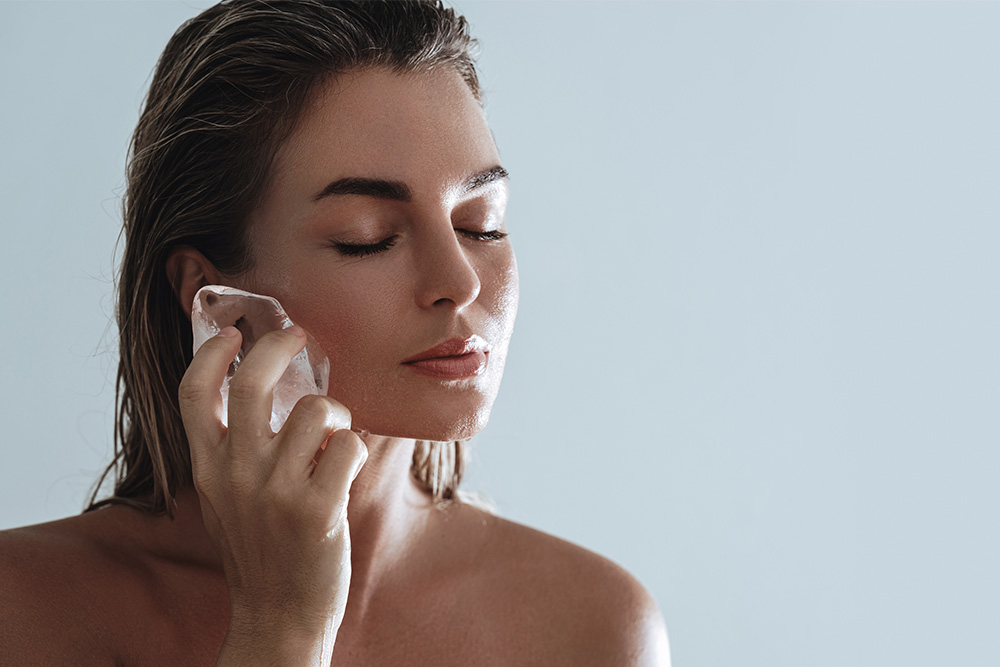
Cold exposure for the face did not appear overnight. Makeup artists, athletes, and dermatology clinics have relied on cold water techniques for years to control swelling, redness, and skin fatigue. What changed is access and consistency. IceLift™ took a routine once limited to professional settings and turned it into something people can repeat at home without guesswork. An ice water facial no longer depends on improvised bowls or uneven setups. With a facial ice bath bowl designed specifically for facial immersion, the routine becomes controlled, clean, and easy to repeat. Cold water. Ice. One setup. Less than two minutes.
This guide explains the practice through that lens. You will learn how an ice water facial works, why cold exposure affects facial skin so quickly, and how beginners should approach the routine safely and consistently. You will also understand why structure matters, and how using a tool built for facial cold exposure helps turn a simple idea into a habit that delivers visible results instead of a one-time experiment.
What an Ice Water Facial Actually Is
An ice water facial involves briefly submerging the face into cold water mixed with ice. The exposure stays short by design. Most beginners start with ten to fifteen seconds per dip, then lift the face out, breathe, and repeat once or twice.
This is not endurance training. The value comes from controlled cold exposure. When facial skin meets icy water, blood vessels constrict rapidly. This reaction tightens skin, limits fluid buildup, and reduces visible swelling. The effect appears almost immediately.
Unlike rubbing ice cubes directly across the skin, full immersion delivers even cooling across the entire face. Cheeks, jawline, forehead, and under-eye areas receive the same temperature at the same time. This creates a more uniform response and avoids uneven pressure.
Why Cold Water Affects the Face So Quickly
Facial skin responds faster than most areas of the body. Blood vessels sit close to the surface. Nerve endings stay active and sensitive. Cold exposure triggers an immediate physiological response.
People often ask what does ice water do to your face beyond surface tightening. The answer starts with circulation. Cold causes blood vessels to narrow, which reduces excess fluid under the skin. Less fluid means less puffiness. Once the skin warms again, circulation returns with force, delivering oxygen and nutrients back to the surface.
Cold exposure also influences inflammation. Redness fades. Skin tone looks calmer. This explains why the routine appears effective even after late nights, workouts, or long hours in heat.
Why People Add Ice Water Facials to Daily Routines
Most beginners try an ice water facial for one visible issue. Puffiness. Morning swelling under the eyes or fullness around the cheeks pushes people to experiment with cold exposure.
Others use the routine as a reset. Heat, stress, screen time, and poor sleep show up on the face first. Cold water brings everything back into balance fast.
Common reasons people adopt the practice include:
- Reduced morning puffiness
- Tighter looking skin before makeup
- Calmer appearance after workouts
- Faster recovery from heat exposure
- A sharp, alert feeling early in the day
The routine stays popular because it respects time. Results appear quickly without long preparation.
Is Ice Water Good for Your Face When Used Regularly
A frequent question is is ice water good for your face when practiced consistently. The answer depends on control and moderation.
Short exposure supports skin appearance. Overexposure irritates the skin barrier. Beginners should always start with fewer seconds and build tolerance gradually. Cold should feel intense yet manageable, never painful.
Daily or near-daily sessions work well for many people. The skin adapts. Puffiness decreases over time. The face looks firmer and calmer with regular use.
Those with sensitive skin or vascular conditions should approach carefully and limit exposure length. Skin feedback matters more than duration.
How to Do an Ice Water Facial Correctly
Preparation shapes results. Start with clean skin. Remove makeup, sunscreen, and heavy products. Dry skin responds more evenly to cold.
Fill a bowl with cold water. Add ice until the temperature drops noticeably. The water should feel sharply cold but not unbearable.
Lean forward and gently lower your face into the bowl. Hold for ten to fifteen seconds. Lift your face out and breathe. Repeat one or two times if comfortable.
Pat skin dry. Apply moisturizer or serum immediately after. Hydration supports the skin barrier after tightening.
This simple process delivers consistent results when repeated regularly.
What Beginners Feel During the First Few Sessions
The first session feels intense. This reaction fades quickly. Within a few uses, the shock softens and the routine feels familiar.
Early changes often include:
- Noticeably reduced puffiness
- Firmer appearance around cheeks and jaw
- Less redness after heat or exercise
- A refreshed, awake feeling
The sensation feels energizing rather than draining. Many people replace sluggish mornings with this routine.
How Often to Put Your Face in Ice Water
Consistency matters more than frequency. Once per day suits most beginners. Some prefer every other day. Doing a face in ice water multiple times daily adds little benefit and increases irritation risk.
Skin responds best when given time to recover between sessions. Morning use fits naturally into skincare routines. Some people also use cold exposure after workouts to calm heat-related redness.
Common Beginner Mistakes to Avoid
The most common mistake involves staying in the water too long. Longer exposure does not equal stronger results. It increases discomfort and irritation. Another mistake involves skipping hydration. Cold tightens skin. Moisturizer restores balance. Inconsistent setup also creates friction. When the routine feels messy or inconvenient, it gets skipped.
Why Tools Matter for Long Term Consistency
Consistency depends on ease. When setup feels simple, habits stick.
Many people start with kitchen bowls. Over time, spills, uneven water depth, and awkward positioning create frustration. A structured bowl designed for facial immersion keeps water levels stable and supports even exposure.
This is where dedicated cold exposure tools enter the routine. They remove guesswork and reduce setup time, which encourages daily use rather than occasional experimentation.
How Ice Water Facials Fit Into Modern Skincare
Cold exposure does not replace skincare. It supports it. Tightened pores allow products to apply more evenly. Reduced inflammation improves overall appearance. Skin looks calmer and more receptive after cold exposure.
The routine works well before applying serums, moisturizers, or sunscreen. It also supports minimal skincare routines for people who prefer fewer products. This simplicity attracts people tired of long ingredient lists and complex steps.
Mental Benefits Beyond Skin Appearance
Cold exposure influences more than the surface of the skin. Facial nerves connect directly to alertness and focus. Many people report sharper mental clarity after sessions.
The routine becomes a reset point. A short pause. A moment of control. Over time, this mental association strengthens the habit. People stick with routines that offer both physical and mental payoff.
Long Term Expectations and Realistic Results
An ice water facial does not promise permanent changes. The results remain temporary and cumulative. Puffiness reduces faster. Skin appears firmer more often. Redness calms quicker.
With regular use, the face looks consistently refreshed rather than dramatically altered. This realistic outcome keeps people engaged without disappointment.
Consistency shapes the result, not intensity.
Final Thoughts: Making Cold Exposure a Sustainable Habit
Cold exposure works best when the routine fits real life. Simple setup. Short duration. Clear purpose. When the process feels easy, consistency follows.
An ice water facial succeeds because it delivers visible benefits without complicated steps or overloaded skincare routines. With the right approach and the right tools, the habit stays repeatable rather than exhausting. Structure removes friction. Consistency drives results.
IceLift™ supports this balance by turning cold exposure into a routine people maintain, not abandon. If you have questions about starting, setup, or daily use, contact us and get clear guidance before building the habit into your routine.