Most people do not notice how much tension they carry in their face until someone points it out. Tight jaw. Furrowed brow. Clenched teeth. Subtle squinting from screens. All of these habits add up over time. Learning how to relax face muscles is not about chasing perfect skin or expressionless calm. It is about releasing the quiet stress your face absorbs throughout the day.
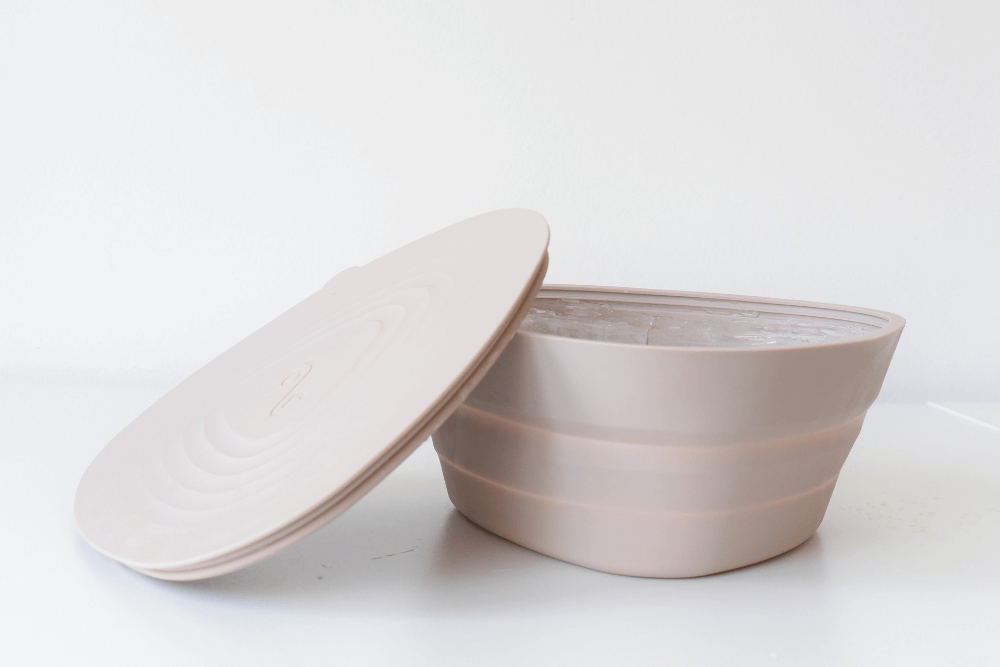
Modern life puts constant demand on facial movement. Screens keep eyes focused. Stress tightens the jaw. Concentration pulls the forehead into tension. Over time, facial tension becomes the default resting state for many people. This guide walks through simple, realistic ways to release tension naturally without complicated tools or rigid routines. You will learn what creates tension, how facial muscles respond to stress, and how small daily habits help your face relax again. Cold exposure also plays a role here, and tools like the IceLift™ Facial Ice Bath Bowl offer a practical way to calm overstimulated facial muscles as part of a routine you can repeat at home.
Understanding the Muscles in Your Face
The muscles in face are different from larger body muscles. They attach directly to skin rather than bone, which is why facial expressions show emotion so clearly. These muscles stay active all day. Talking, chewing, focusing, smiling, squinting, and reacting to stress all require constant engagement.
Because these muscles work nonstop, they rarely get full rest. Over time, small contractions become habitual. The jaw may stay slightly clenched. The brow may remain tense. The cheeks may hold subtle tightness without awareness. This constant low-level activity contributes to facial tension that feels normal until you intentionally release it.

Why Facial Tension Builds Up So Easily
Facial tension develops from a mix of physical habits and emotional response. Stress plays a major role. When the nervous system stays in alert mode, muscles tighten to protect the body. The face reflects this response immediately.
Other contributors include:
- Long hours of screen focus
- Jaw clenching during concentration
- Poor posture that strains neck and face
- Lack of sleep
- Dehydration
- Shallow breathing
Over time, tension becomes the default. Many people do not realize their face is tight until they feel the difference after releasing it.
How to Relax Face Muscles With Awareness First
Before any technique works, awareness matters. You cannot relax what you do not notice.
Start by scanning your face a few times per day. Check your jaw. Is it clenched? Check your brow. Is it furrowed? Check your lips. Are they pressed together? Simply noticing tension starts the release process.
Learning how to relax face muscles begins with permission to soften. Let the jaw drop slightly. Let the tongue rest on the floor of the mouth. Let the eyebrows fall. This gentle awareness creates space for deeper techniques to work.
Simple Breathing to Support Facial Relaxation
Breathing patterns influence facial tension more than most people realize. Shallow breathing keeps the nervous system alert. Deep, slow breathing signals safety and relaxation.
Try slow nasal breaths. Inhale through the nose for four counts. Exhale slowly for six counts. As you exhale, let your jaw drop slightly. Let your cheeks soften. Let your forehead smooth out.
This breathing style supports facial relaxation by calming the nervous system that drives muscle tension in the first place.
Gentle Self-Massage for Facial Tension
Touch helps release tension stored in the face. Gentle massage encourages blood flow and signals muscles to soften.
Use clean fingertips to apply light pressure along the jawline, temples, cheeks, and forehead. Small circular motions work best. Move slowly. Focus on areas that feel tight rather than covering the entire face quickly.
This technique helps the muscles in face release habitual tightness and improves circulation at the same time. Even one minute of gentle massage can shift how the face feels.
Jaw Release Techniques for Clenching and Tightness
Jaw tension is one of the most common sources of facial tension. Many people clench during focus or stress without noticing.
Try opening the mouth slowly and letting the jaw hang loosely for a few seconds. Then gently move the jaw side to side without force. You can also place fingertips on the jaw muscles near the ears and massage downward toward the chin.
Releasing the jaw often softens the entire face. It sends a signal of relaxation that spreads upward into the cheeks and eyes.
Eye and Brow Softening for Screen Strain
Screens keep the eyes focused and the brow engaged. Over time, this creates tightness around the eyes and forehead.
Blink slowly. Let the eyes close fully for a few seconds. Gently smooth the brow with light fingertip pressure. Allow the space between the eyebrows to soften.
These small movements support facial relaxation and reduce the tired, tense look that comes from long hours of visual focus.
How Cold Exposure Supports Facial Muscle Release
Cold exposure offers a different kind of reset for the face. Cooling the skin calms nerve endings and helps reduce overstimulation in facial muscles. This creates a sensation of release that many people feel immediately.
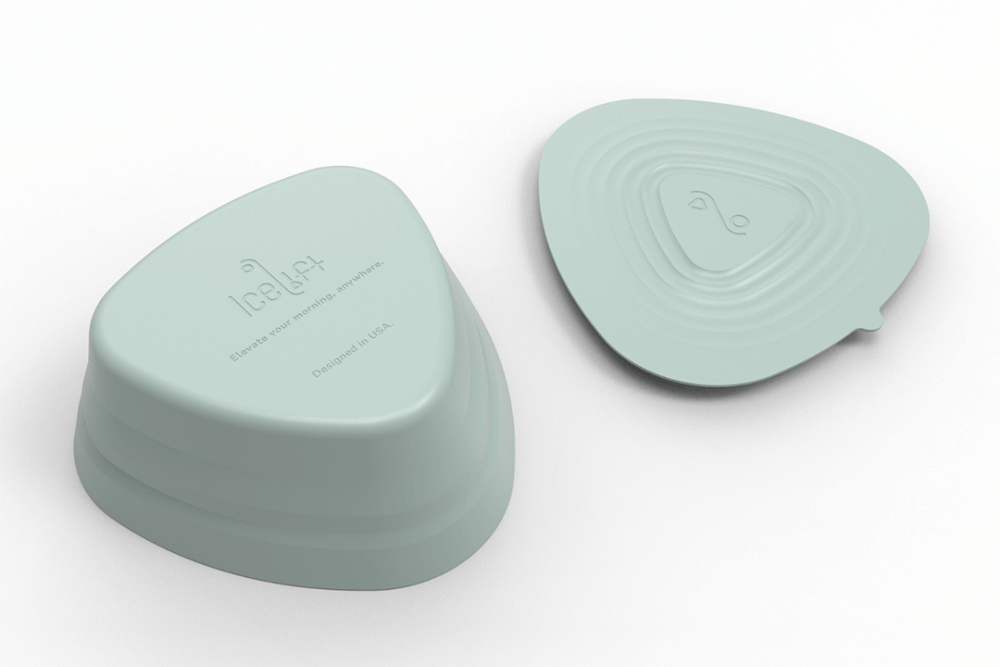
Using a controlled setup like the IceLift™ Facial Ice Bath Bowl allows cold exposure to reach the entire face evenly. The cooling effect encourages facial muscles to relax rather than remain in a constant state of contraction. Cold also helps reduce surface inflammation that contributes to a tight, strained feeling.
When used briefly and consistently, cold exposure becomes part of a larger facial relaxation routine rather than a standalone trick.
Combining Cold Therapy With Gentle Movement
Cold exposure works best when followed by gentle facial movement. After cooling the face, lightly stretch the jaw, soften the cheeks, and relax the brow. This combination helps muscles reset from tension into ease.
The cold reduces overstimulation. The movement encourages circulation. Together, they create a balanced release that feels refreshing rather than numbing.
Building Facial Relaxation Into Daily Habits
Facial relaxation does not require long sessions. Small habits repeated throughout the day work better.
Try pairing facial relaxation with existing routines. While waiting for coffee to brew, release your jaw. While scrolling on your phone, soften your brow. While lying in bed, practice slow breathing and let your face rest.
These micro habits prevent tension from accumulating in the first place.
How Facial Relaxation Affects Overall Wellbeing
Relaxing the face influences more than appearance. Facial muscles connect to emotional expression and nervous system response. When the face softens, the body often follows.
Many people notice improved mood, reduced stress, and even fewer headaches when facial tension decreases. This is because the face plays a role in signaling emotional state to the brain.
Facial relaxation creates a feedback loop of calm.
Common Mistakes That Keep Facial Tension Stuck
One mistake is forcing relaxation. Muscles soften best when invited, not pushed. Another mistake is ignoring posture. Neck and shoulder tension feeds directly into facial tightness.
Overdoing massage can also irritate the skin. Gentle pressure works better than aggressive rubbing. Consistency matters more than intensity.
How to Relax Face Muscles Through Lifestyle Shifts
Daily habits influence facial tension. Hydration supports muscle function. Adequate sleep allows muscles to recover. Reducing caffeine late in the day helps prevent jaw clenching during sleep.
Simple changes create better conditions for facial relaxation to occur naturally.
Tracking Progress Without Obsessing
Facial relaxation is subtle. Progress shows up as a softer resting expression, less jaw soreness, and fewer tension headaches. You may notice that your face feels lighter rather than dramatically different.
Avoid overchecking the mirror. Focus on how your face feels at rest. This internal awareness matters more than visible change.
Why Consistency Beats Perfect Technique
You do not need perfect form to release facial tension. You need repetition. Small, imperfect practices done daily create more change than occasional long sessions.
Facial relaxation becomes effective when it fits into life rather than sitting outside of it.
When Facial Tension Signals Something Else
Occasional tightness is normal. Chronic pain, jaw locking, or persistent headaches may signal TMJ issues or stress-related conditions. In those cases, professional guidance may help.
Natural techniques support everyday facial tension, not medical conditions.
Final Thoughts: Making Facial Relaxation a Daily Reset
Learning how to relax face muscles is not about removing expression. It is about releasing unnecessary tightness so the face can return to a natural resting state. Facial relaxation becomes easier when it is built into daily habits rather than treated as a separate task.
Cold exposure supports this process by calming overstimulated facial muscles and creating a physical sense of release. Tools like the IceLift™ Facial Ice Bath Bowl make it easier to apply cold therapy evenly and consistently as part of an at-home routine. IceLift™ focuses on helping people turn simple wellness habits into something repeatable and realistic. If you have questions about building a routine that fits your daily life, contact us and get guidance on where to start.