Stress builds quietly. You feel it in your shoulders, your breathing, your thoughts, and eventually your face. Anxiety does not always arrive as something dramatic. Sometimes it is just a constant background tension you cannot shake. That is why people are starting to look for simple, physical ways to reset their system instead of relying only on mental techniques.
Cold exposure has entered that conversation for a reason. It is direct. It is immediate. It shifts how your body feels within seconds. Cold water therapy for anxiety is not about pushing yourself into extreme discomfort. It is about using controlled cold to interrupt stress patterns and bring your body back to a calmer state.
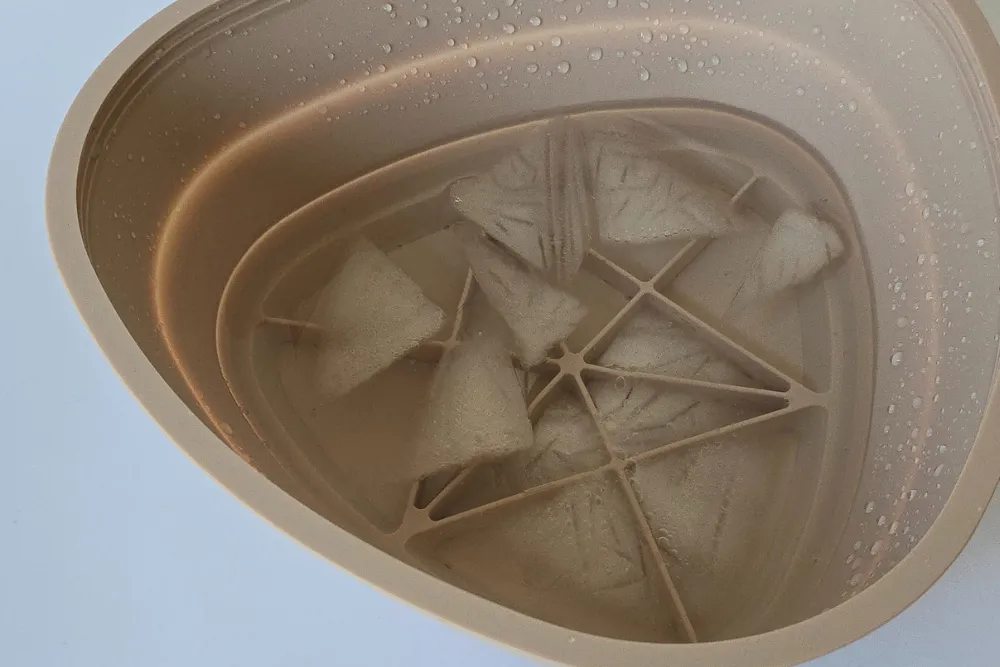
At home, this has become easier to practice consistently. Tools like the IceLift™ Facial Ice Bath Bowl allow you to apply cold water to the face in a controlled, repeatable way without needing a full cold plunge or complicated setup. That simplicity makes the habit realistic, which is what matters most.
What Happens in Your Body During Stress
Before understanding why cold helps, it helps to understand what stress actually does. When you feel anxious, your body enters a heightened state. Your heart rate increases. Your breathing becomes shallow. Muscles tighten, especially in the jaw, neck, and face.
This is your nervous system preparing for action. The problem is that modern stress rarely resolves quickly. Instead of reacting to a short threat, your body stays in that alert state for hours or even days.
This is where physical interventions matter. You are not trying to think your way out of stress. You are giving your body a signal that it is safe to calm down.
Does Cold Water Help With Anxiety
This is one of the first questions people ask. Does cold water help with anxiety in a real, noticeable way, or is it just another trend?
The answer comes down to how the nervous system responds to cold. When cold water touches the face, it activates what is known as the dive reflex. This slows the heart rate, regulates breathing, and shifts the body away from a stress response.
That shift happens quickly. Within seconds, your body moves from a state of tension to a state of controlled calm. This is why many people turn to cold water for anxiety when they feel overwhelmed or overstimulated.
Why the Face Is the Most Effective Place to Start
You do not need a full ice bath to experience the benefits of cold exposure. The face is one of the most sensitive and responsive areas of the body.
Cold receptors in the face connect directly to the nervous system. When you apply cold here, the effect spreads quickly throughout the body. This makes dipping face in ice water one of the most accessible ways to reset stress without needing a full-body routine.
It is fast. It is practical. And most importantly, it works without requiring a major time commitment.
Cold Water Therapy for Anxiety: What It Feels Like
The first time you try cold exposure, it feels intense. That is normal. The cold hits quickly, especially around the cheeks and nose. But within seconds, something shifts.
Your breathing deepens. Your focus sharpens. The noise in your head quiets down. It is not about eliminating stress completely. It is about creating space between you and that feeling.
Cold water therapy for anxiety works because it forces your attention into the present moment. You cannot overthink when your body is reacting to cold. That interruption is what makes it powerful.
How Cold Water for Anxiety Fits Into Daily Life
One of the biggest advantages of cold exposure is how easily it fits into your day. You do not need a long session or a perfect environment.
Morning use helps reset your system before stress builds. Midday use helps break mental fatigue. Evening use helps calm overstimulation before sleep.
Cold water for anxiety becomes effective when it is used consistently, not occasionally. Short sessions done regularly create better results than longer sessions done rarely.
Step-by-Step: A Simple Cold Face Routine
Start with a clean face. Fill a bowl with cold water and add ice. The water should feel cold but manageable.
Lean forward and gently lower your face into the water. Hold for ten to fifteen seconds. Lift your face out and breathe slowly. Repeat once or twice if it feels comfortable.
This is where dipping face in ice water becomes a controlled practice rather than a random act. You are not forcing anything. You are guiding your body into a calmer state.
Why Structure Makes a Difference
Trying this with a random bowl can work, but it often feels awkward. Water spills. The depth is inconsistent. The experience becomes frustrating.
Using something like the IceLift™ Facial Ice Bath Bowl changes that. It is shaped for facial immersion, which keeps the water level even and the process clean. When the setup feels easy, you are more likely to repeat it.
And repetition is where the real benefit comes from.
The Science Behind Cold and Calm
Cold exposure affects the vagus nerve, which plays a major role in regulating stress. When activated, this nerve helps slow the heart rate and promotes a sense of calm.
This is part of why people ask does cold water help with anxiety and feel surprised when the answer is yes. It is not a placebo. It is a physiological response.
Cold also increases alertness without overstimulation. Unlike caffeine, which can heighten anxiety, cold creates clarity without adding tension.
Why This Works Better Than Overthinking
When you are anxious, your mind loops. Thoughts repeat. You try to think your way out of stress, which often makes it worse.
Cold exposure breaks that loop. It pulls your focus out of your thoughts and into your body. This shift is immediate and physical.
Cold water therapy for anxiety works because it does not rely on willpower or mindset alone. It gives your body a direct signal to reset.
Combining Cold Exposure With Breathing
Breathing and cold work well together. After lifting your face out of the water, focus on slow, steady breaths. Inhale through your nose. Exhale longer than you inhale.
This reinforces the calming effect. Your body begins to associate cold exposure with controlled breathing and relaxation.
Over time, this combination becomes a reliable way to manage stress in the moment.
When to Use Cold Water for Anxiety
There is no single perfect time. It depends on your routine and your triggers.
Use it when you feel overwhelmed. Use it when your thoughts feel scattered. Use it when your body feels tense and you cannot relax.
Cold water for anxiety becomes a tool you can rely on, not something you use only occasionally.
What to Expect Over Time
The first few sessions feel intense. That fades quickly. Within a few days, the routine starts to feel familiar. Within a few weeks, it becomes something you look forward to.
You may notice:
- Faster recovery from stress
- Clearer thinking during the day
- Less physical tension in your face and jaw
- A stronger sense of control over your reactions
These changes build gradually, not all at once.
Common Mistakes to Avoid
Staying in the water too long is one of the biggest mistakes. More time does not mean more benefit. It often leads to discomfort.
Another mistake is inconsistency. Trying it once will not create lasting change. The benefit comes from repetition.
Also, avoid treating it like a challenge. The goal is not endurance. The goal is control and calm.
Making It a Habit You Stick With
Habits stick when they feel easy. If the setup is messy or inconvenient, you will stop doing it.
That is why structure matters. A tool designed for this specific purpose removes friction. It turns a simple idea into something you can repeat daily.
Once the routine feels natural, it becomes part of your rhythm rather than something you have to think about.
The Mental Shift That Comes With Cold Exposure
Cold exposure does more than calm your body. It changes how you respond to stress. You start to realize that you can interrupt anxious patterns instead of being controlled by them.
That shift builds confidence. You feel more capable of handling pressure, not because stress disappears, but because you have a way to manage it.
This is where cold water therapy for anxiety becomes more than a routine. It becomes a tool for self-regulation.
Final Thoughts: A Simple Reset That Actually Works
Stress is part of life. Anxiety shows up whether you want it to or not. The goal is not to eliminate it completely, but to have a way to reset when it builds.
Cold exposure offers that reset. It is fast, physical, and effective. Dipping face in ice water may feel simple, but the impact it has on your body and mind is significant when practiced consistently.
The IceLift™ Facial Ice Bath Bowl helps turn this method into something structured and repeatable, removing the friction that often stops people from sticking with it. IceLift™ focuses on making cold exposure practical, controlled, and easy to maintain.
If you want guidance on how to start or how to build this into your routine, contact us and take the first step toward a calmer, more controlled daily rhythm.